

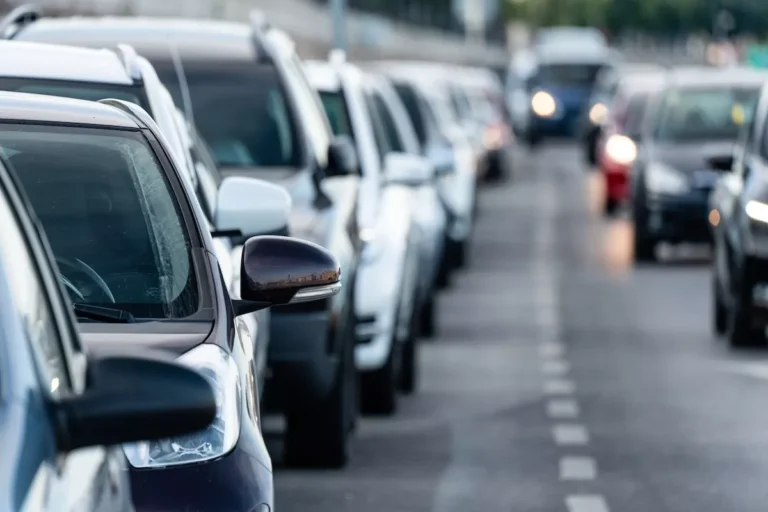
While 42% of middle-aged Hungarians (ages 30–59) express a desire to purchase a vehicle this year, only a fraction (8%), describe their intent as ”certain,” according to the latest K&H Sure Future research.
The survey paints a portrait of a market where consumer aspirations are colliding with a ceiling of approximately 3.9 million forints ($11,000). This budget, down from 4.1 million HUF a year ago, essentially locks the majority of the population out of the new car market.
With the national average car age now exceeding 16 years, the ”Green” transition remains a distant luxury for most. Only 5% of potential buyers are considering a purely electric vehicle (EV), while 47% remain loyal to gasoline.

The data reveals a widening divide between the capital and the countryside. In Budapest, 41% of potential buyers are targeting brand-new vehicles, but in villages, that figure drops to just 19%, as used car remains the only viable utility.
Despite a global decline, diesel remains the preference for 16% of buyers, with women disproportionately favoring the technology (22%) for its perceived reliability in second-hand markets.
Financial headwinds for potential buyers
The pricing tiers chosen by respondents suggest that the “sweet spot” for Hungarian car commerce is under 2 million HUF, a category chosen by nearly half (47%) of all seekers. Only 4% of the market is currently looking at vehicles priced above 10 million HUF, the entry point for most premium EVs and new well-equipped hybrids.
The survey suggests that while high-mileage drivers (those traveling over 20,000 km/year) are the most desperate to upgrade, their lack of certainty reflects a broader economic hesitation.