

Chinese electric vehicle manufacturer BYD has said it intends to fill the vast majority of positions at its new Szeged passenger car factory with Hungarian employees over the long term, responding to public debate over the company’s use of foreign workers during the construction and ramp-up phase.
The statement came after State Secretary György Velkey said earlier this week that BYD had obtained permits allowing it to employ around 10,000 guest workers, a figure close to the total number of jobs the company plans to create at the site.
BYD clarified that the permits relate primarily to work and residence authorisations for the investment and construction phase, adding that the company has never fully utilised its available quota of third-country workers.
Local workforce continues to expand
According to the company, the Szeged factory currently employs almost 800 Hungarian workers, with recruitment expected to accelerate as the plant moves closer to mass production.
BYD said the local workforce will continue to expand gradually alongside increasing production volumes, with Hungarian employees expected to occupy most positions once the factory reaches full operational capacity.
The company has been actively recruiting engineers, technicians, production operators and administrative staff over the past year while cooperating with local universities and vocational training institutions to build a skilled workforce for the facility.
One of Hungary’s largest industrial investments
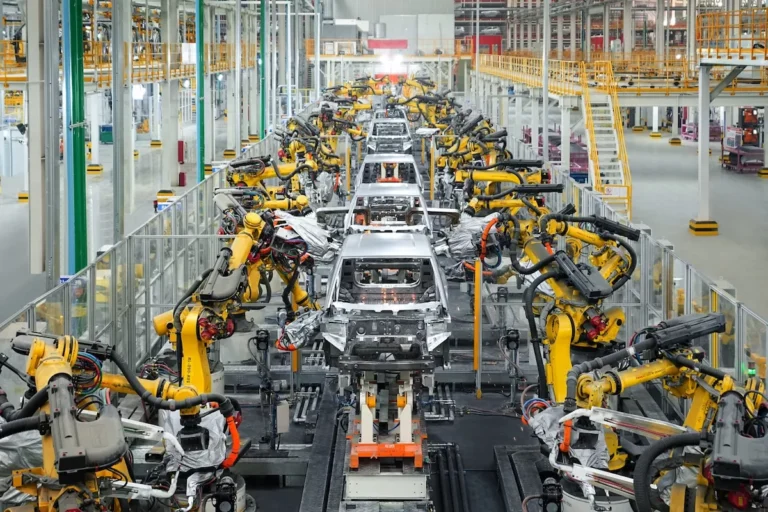
The Szeged plant is one of the largest industrial investments ever undertaken in Hungary and represents BYD’s first passenger car manufacturing facility in Europe. Construction began in 2024 after the company selected Hungary as the location for its European production hub.
Once fully operational, the factory is expected to produce up to 300,000 electric vehicles annually, with the site designed to be expanded to 500,000 units per year in a later phase if market demand supports additional capacity.
The investment is estimated to be worth several billion euros and is expected to create approximately 10,000 direct jobs, alongside thousands more across suppliers and logistics companies serving the plant.