

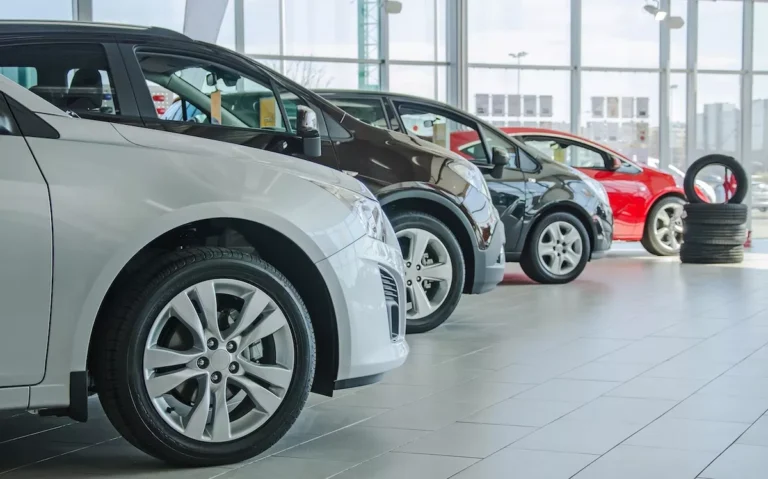
Hungary registered 108,422 new passenger cars in the first nine months of 2026, up 13% from the same period last year. Excluding vehicles subsequently re-exported, registrations increased 12.6% to 93,130 units, according to data from the Hungarian Association of Vehicle Importers, MGE.
The strongest growth came from plug-in hybrids. PHEV registrations surged 102% year-on-year to 9,375 units, while battery-electric vehicle sales increased 30.2% to 10,445. Together, BEVs and plug-in hybrids accounted for 18.3% of Hungary’s new passenger-car market in the first three quarters, compared with around 13.2% a year earlier.
Electric cars approach 10% market share
Battery-electric vehicles reached a 9.6% share of Hungarian new-car registrations, up from 8.4% in the same period last year. Hungary nevertheless remains behind the broader European transition toward fully electric vehicles.

Across the EU, BEVs had already reached a 20.7% share of new registrations during the first half of 2026, up from 15.6% a year earlier. Plug-in hybrids accounted for another 9.8%.
PHEVs are the fastest-growing segment
PHEV market share climbed from 4.8% to 8.6% in the first nine months, putting the segment just one percentage point behind fully electric cars. Combined BEV and PHEV registrations reached 19,820 units, meaning almost one in every five new passenger cars registered in Hungary during the period could be plugged in.
The development also helps explain the rapid growth of brands with large electrified portfolios. BYD, for example, sold 3,482 BEVs and plug-in hybrids in Hungary during the first nine months and became the leader of the combined segment.
SUVs now account for more than two-thirds of the market
SUVs accounted for 73,075 registrations between January and September, representing 67.4% of the passenger-car market. Their share increased by 5.2 percentage points year-on-year.
The broader market also maintained double-digit growth throughout the year. Third-quarter registrations reached 33,509 units, up 12.3% year-on-year, following growth of 10.8% in the first quarter and 15.8% in the second.

MGE currently expects 129,440 new passenger-car sales for the full year. By the end of September, the market had already achieved 83.9% of that forecast. Hungary could finish 2026 with close to 142,000 new passenger cars, according to calculations reported by Vezess.
Commercial vehicles tell a different story
The light commercial vehicle segment has been weaker. Headline registrations declined 2.9% year-on-year to 16,527 units during the first nine months. Once re-exports are excluded, however, the picture changes: registrations increased 3.2% to 14,008 vehicles.