

The global smartphone market is entering a more expensive phase, with new models launching at prices 25% higher on average than their predecessors, according to a September analysis by Counterpoint Research.
Prices of smartphones already on sale have risen by around 15% globally in 2026, while more than 40% of models have seen their prices increase during the year, an unusual development for a market where older devices typically become cheaper over time.
The pressure is also visible in wider industry data. Global smartphone average selling prices reached a record $399 in Q2 2026, up 16% year-on-year, even as shipments fell 7%, while industry revenue increased 8% to $110 billion.

Manufacturers respond with smaller storage and lower specifications
Counterpoint says manufacturers are also adjusting specifications to control production costs, including offering less storage, simplifying camera systems and, in some price segments, reintroducing 4G-only devices instead of 5G models.
For consumers, the result can resemble a form of smartphone shrinkflation: paying more for a new generation while some specifications are reduced compared with what might previously have been available at the same price.
The research firm expects buyers to respond by postponing upgrades, choosing lower-storage configurations and making greater use of instalment plans, trade-in programmes and refurbished devices.
Refurbished phones gain relevance
Rejoy, which sells refurbished devices in Hungary, expects the pricing pressure to spill over into the secondary market as newer models become more expensive. Thus, refurbished iPhones released during the past two to three years could become up to 10% more expensive, while price increases for popular three-to-five-year-old devices should be more moderate.
The company expects the iPhone 13, 14 and 15, together with Samsung’s Galaxy S24, S23 and S22, to remain among the most popular refurbished smartphones in Hungary during the rest of the year.

Rejoy argues that older premium devices can also benefit from having been designed before the latest round of component-cost pressure, potentially offering larger storage capacities or more advanced camera systems than some new devices being repositioned to control costs.
Apple provides one notable Hungarian exception to the broader price trend
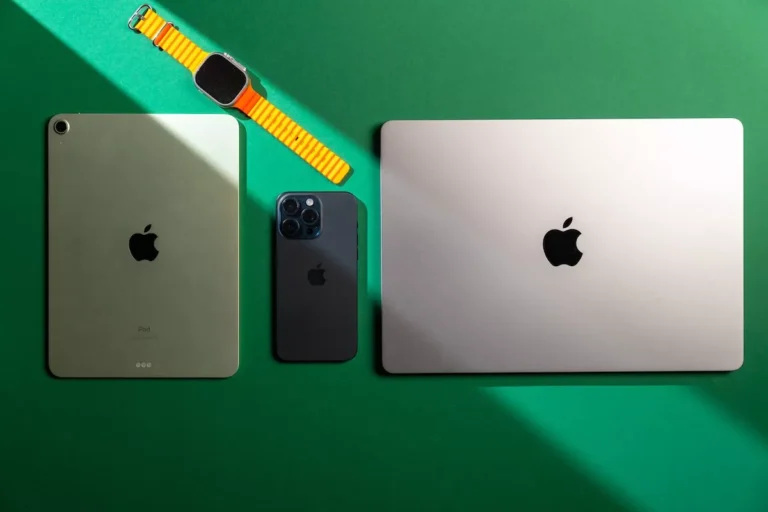
The new iPhone 18 Pro starts at HUF 549,990 in Hungary, the same starting price Apple charged for the iPhone 17 Pro last year. Apple’s Hungarian store lists the new Pro models from HUF 549,990, while the company’s first foldable iPhone, the iPhone Duo, starts at HUF 899,990.
Rejoy attributes the stable Hungarian Pro pricing partly to the stronger forint, although it notes that across the broader European market several current iPhone models are more expensive than their direct predecessors.